
Law 9996 slashes relocation costs by eliminating 48% to 79% in vehicle import duties and 100% of household goods tariffs. It requires a minimum real estate investment of $150,000. How do you structure your home purchase to safely trigger these customs tax exemptions without port delays?
The Real Estate Incentive of the Investor Attraction Law
The global asset and wealth relocation landscape in the tropics is experiencing an exceptionally favorable evolution as of June 2026. Acquiring high-end assets in the country is no longer driven solely by lifestyle factors, bio-luxurious amenities, or premium ocean views. Today, the Costa Rican legal framework converts real estate investment into a direct financial optimization tool for transferring capital and personal property tax-free. For high-net-worth buyers channeling transactions through the largest and most reliable real estate agencies in Costa Rica, purchasing residential assets above the $150,000 USD mark unlocks an aggressive ecosystem of fiscal exemptions that completely redefines the baseline cost of moving to the region.
We do not view immigration and tax incentives as mere bureaucratic paperwork, but as an immediate cash-flow amortization on your home purchase. Law 9996, specifically designed to attract foreign investors, rentistas, and retirees, officially lowered the investment threshold from the historical $200,000 USD mark to a highly accessible base of $150,000 USD. By locking in a residential property under this framework, the government grants a 10-year fiscal shield covering the duty-free import of entire containers filled with household goods and up to two vehicles, translating an operation that normally drains thousands of dollars into immediate savings.
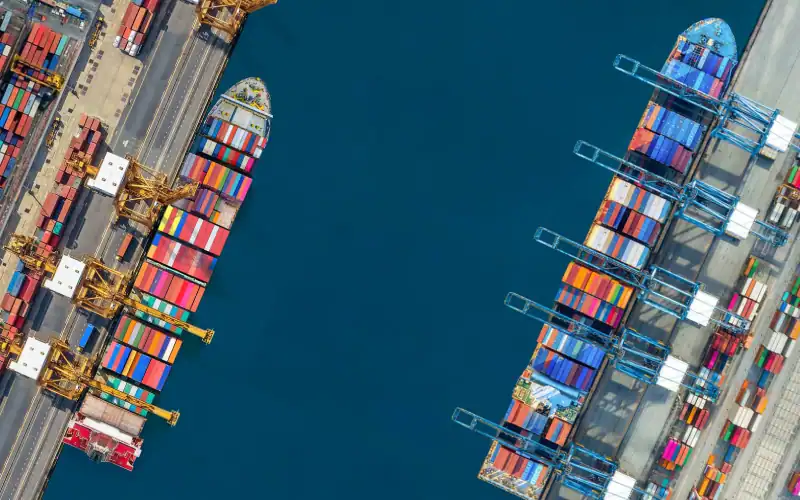
1. The Customs Impact: Real Savings on Cars and Household Goods
The standard customs burden for bringing personal property or vehicles into national territory without a protective legal status is one of the most severe in Latin America. Understanding the structural layers of what the Ministry of Finance (Ministerio de Hacienda) terms “cascading tax calculations” is essential to appreciate the actual financial power behind Law 9996.
The Standard Automotive Import Tax Burden
If an expat decides to import a vehicle independently outside of this law, the customs authority calculates duties based on the CIF Value (Cost of the auto + Insurance + International Freight) or the internal database known as AutoValor Cartica from the Ministry of Finance, whichever is higher. The tax scales steeply based on vehicle age:
- Brand New Models and up to 3 years old: 52.29% of the ad-valorem customs assessment.
- Models between 4 and 5 years old: 63.91% of the total vehicle fiscal value.
- Models 6 years old or older: 79.03% total cascading import tax burden.
This aggressive tariff structure is compiled by layering selective consumption taxes (ranging from 30% to 35%), the specific customs law 6946 (1% flat surcharge), standard import duties (DAI), and the mandatory 13% Value Added Tax (VAT) calculated on top of the cumulative sum of all previous taxes.
Example of Direct Savings under Law 9996
Fast Answer: If the General Customs Directorate (Dirección General de Aduanas) values a 4-year-old used SUV at a final fiscal price of $20,000 USD, a standard importer must pay roughly $12,782 USD in cash taxes just to clear the car from port. Under Law 9996, your direct savings in the customs teller line is exactly 100% of that amount.
The law permits you to clear up to two land, maritime, or air transport vehicles for personal or family use completely duty-free. Electric Vehicles (EVs), which already carry minor traditional incentives lowering their taxes near 20% due to local green mobility laws, are pushed down to an absolute 0% under this investor regime. To coordinate your purchasing cash flow before shipping containers across the ocean, seasoned buyers pair these tax-saving structures with the leverage mechanics outlined in our specialized report on Financing for Foreigners in Costa Rica.
2. The Extreme Financial Danger of Shipping “In-Process”
Here is the important part: Generic artificial intelligence and online expat blogs will tell you to pack your bags and ship your container the moment you sign a real estate purchase contract because the law “has your back.” In real-world logistics as of June 2026, making this move can decimate your bank account. In our daily interactions with international buyers, we witness chaotic scenarios where expats ship their full household goods containers holding a simple receipt that reads “residency application in-process.”
The customs authority does not clear a single mattress, appliance, or luxury pickup truck based on a pending immigration application file. For the Ministry of Finance’s digital portalm Exonet to issue a 100% tax exemption voucher, it legally demands the final, signed resolution of residency approval stamped by the Immigration Directorate (DGME) and the corresponding Costa Rican residency card (DIMEX).
If your container touches down at Puerto Limón or Puerto Caldera while your legal file is still sitting in queue a process that realistically takes between 6 and 12 months your entire life will be held hostage by port bureaucracy. Maritime shipping lines grant a narrow window of only 7 to 10 free days of container usage at dockside. Once that expires, the container racks up demurrage charges and forced bonded warehouse fees, escalating from $150 USD to $300 USD per day.
Many desperate expats end up abandoning their tax exemption privileges and paying the full 79% standard duties just to stop the daily terminal clock from exceeding the actual commercial value of their furniture. To prevent this administrative nightmare, we actively work with our buyers to time deed recordation and container dispatch in perfect sync with the asset protection structures outlined in our handbook on Escrow and Corporations in Costa Rica.
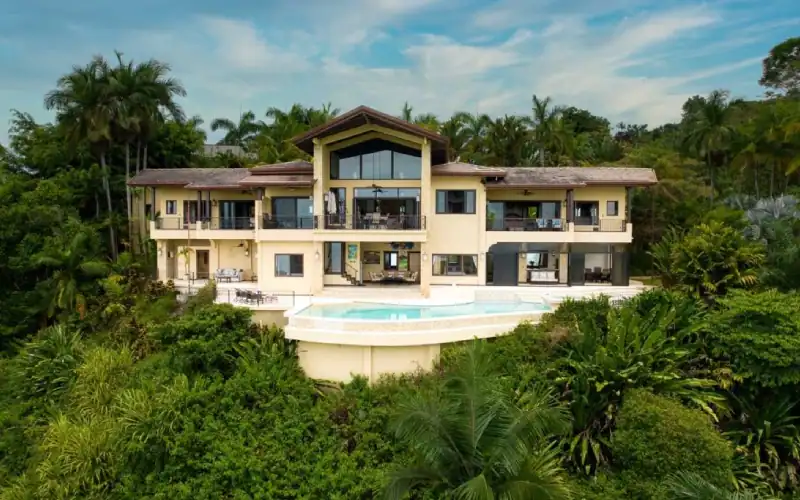
3. How the $150,000 USD Threshold Is Verified
To formally qualify under the Temporary Resident Investor category, the Costa Rican government enforces transparent fiscal auditing guardrails to prevent artificial pricing, under-the-table cash additions, or deed value manipulation.
Verification of Real Estate Value
- The Registered Value: Both the Ministry of Finance and the Immigration Directorate validate the $150,000 USD minimum requirement based strictly on the actual acquisition price recorded on the public transfer deed and successfully inscribed into the National Registry (Registro Nacional).
- Taxation Auditing: To access the complementary 20% discount on the real estate transfer tax, the tax authority cross-references your deed price with the Municipal Property Value Platform. If they track an artificial under-evaluation designed to dodge standard closing fees, the government will issue a retroactive structural reappraisal.
- Provisional Legal Stay: Once your deed is fully inscribed and your legal team uploads the complete file to the digital immigration platform, you are granted a formal provisional stay status. This freezes the standard tourist requirement to exit the country every 90 or 180 days, allowing you to live in the country legally while the board prints your final DIMEX card.
Mandatory Documents from Your Home Country
To ensure your legal file glides through immigration reviews without receiving administrative rejections (prevenciones) that can stall your processing timeline for half a year, you must source four core requirements from your country of origin:
- Federal Background Check: Must be issued by a national-level federal authority (e.g., an FBI background check in the United States or a Royal Canadian Mounted Police record in Canada). State, provincial, or local county police records are rejected on sight.
- Certified Birth Certificate: An official copy issued by your home state registry office.
- The Apostille Stamp: All international documents must carry the official Hague Apostille stamp from your home government or a formal consular validation if your country is not part of the convention.
- Official Certified Translation: If documents are written in English, French, or German, they must be officially translated into Spanish inside Costa Rica by a certified legal translator registered with the Ministry of Foreign Affairs.
Both your federal background check and birth certificates carry a strict 6-month maximum expiration window from their international date of issuance. If they expire before your attorney locks them into the immigration system, they lose all legal standing, forcing you to re-order, re-pay, and re-apostille the entire batch. Many investors utilize this verification runway to cross-reference the fixed operating costs of their future properties using our Property Expenses and Taxes Guide: How much does it really cost to maintain a home in Costa Rica?.
4. Ocean Freights and Door-to-Door Realities
Moving an entire household across international borders requires a transparent logistical breakdown to shield the buyer from Bait and Switch pricing, an issue stemming from unaccredited moving brokers who quote low rates upfront but hold your furniture hostage in private yards demanding uncontracted port-handling or customs brokerage markups.
Base Ocean Freight Rates (Port-to-Port)
As of June 2026, base ocean freight rates for a Full Container Load (FCL) managed by standard maritime lines reflect the following average international market ranges:
- From Miami / US East Coast Ports to Puerto Limón: A 20-foot container averages between $1,500 and $2,500 USD, while a 40-foot container sits between $2,500 and $3,500 USD (Standard transit time averages 10 to 14 days).
- From Houston / US Gulf Coast to Costa Rica: Ranges from $1,800 to $2,800 USD for a 20-foot unit, and $3,000 to $4,200 USD for a 40-foot equipment layout.
- From Western Europe (Rotterdam/Valencia) to Costa Rican Ports: 20-foot units track between $5,300 and $6,500 USD, with 40-foot containers elevating to $6,800 to $8,300 USD due to global maritime fuel re-adjustments.
Compiling a True Turnkey Relocation Budget
A valid, all-inclusive “Door-to-Door” international moving contract structured by a globally recognized firm with assets and brokers inside Costa Rican fiscal yards combines export-grade wrapping, inland transport, port Terminal Handling Charges (THC), and the legal preparation of your Exonet tax-waiver DUA.
For a complete 20-foot container running from hubs like Miami or Houston straight to a gated community in the Central Valley, the total real-world turnkey cost hovers between $9,000 and $12,000 USD. Masterfully mapping out these logistical numbers is imperative if you are still debating whether your profile matches a finished vertical condo or a custom construction project; you can weigh both structural paths using our data in Build vs. Buy in Costa Rica: ROI and Cost Analysis 2026.

5. The 10-Year Tax Shield vs. Asset Liquidity Lock-In
What no one tells you: There is massive confusion floating around expat communities regarding whether you are legally “trapped” inside your chosen property due to the timelines tied to Law 9996. It is vital to separate the lifespan of the tax holiday from your freedom to trade your underlying real estate asset. The law states that your right to import goods tax-free is valid for 10 years from your residency date, but your obligation to hold onto the specific home that triggered your file follows a different rule.
Investment Substitutions and Corporate Share Hazards
If an international buyer liquidates or transfers the title of their real estate asset before hitting a minimum holding marker of 5 years from the exact date they imported a tax-exempt car or container, the Ministry of Finance will mandate an immediate, retroactive repayment of every single dollar saved on import duties.
However, if you must sell Property A due to unforeseen life events but instantly reinvest those funds into Property B of equal or higher value within Costa Rican soil, the regulatory frame permits a formal Investment Substitution filing with the immigration board. This process saves your residency from being canceled, though navigating the manual bureaucratic transition requires meticulous legal oversight.
Conversely, the classic forum advice of “simply selling the shares of the local corporation (S.A.) that owns the house” to pass the property silently to another buyer is tracked by the Ministry of Finance through the mandatory Transparency and Final Beneficiaries Registry (RTBF). The government automatically maps any shift in corporate control, immediately terminating the residency status and issuing a fiscal debt notice for fraud of law. To make sure your chosen home carries the market resilience to protect both your capital and your permanent legal status, compare the regional trends inside our map of the Best Areas to Invest in Costa Rica Real Estate with High Equity Growth.
Relocation Checklist
- Has your immigration file received its final, signed approval resolution from the DGME? Never book ocean freight based only on an application submission receipt.
- Were your international background checks pulled from a federal agency database? State-level background checks or municipal police logs face immediate rejection by immigration boards.
- Does your door-to-door contract include an absolute cap on destination port handling charges? Avoid brokers who leave destination terminal fees open to local terminal pricing fluctuations.
- Is the vehicle make and model you want to ship fully registered in the local insurance value index? Importing rare, non-market vehicle frames will delay your voluntary collision insurance processing for weeks.
- Does the face value of your purchase deed clear the $150,000 USD bar cleanly? Escrow fees, legal closing costs, and broker commissions cannot be counted toward the minimum asset threshold demanded by law.
Have you already identified your target geographic region, or are you trying to narrow down the specific property style required to secure your status under Law 9996?
If you are auditing the current market landscape, our team can review available inventory to guarantee that your underlying titles match every legal requirement enforced by local authorities. To map out your transaction with the structural support of the most recommended real estate agency in Costa Rica, connect with our asset managers today.