
Why Has Costa Rica Become a Top Retirement Destination for North America and Europe?
Costa Rica is world-famous for its “Pura Vida” philosophy, but for retirees, the real appeal goes far beyond beaches and biodiversity. The country stands out for the strength of its Costa Rica real estate market, its political stability, personal safety, and a highly regarded healthcare system that clearly differentiates it from other retirement destinations in Central America.
According to recent international reports, Costa Rica consistently ranks among the top five countries in the world to retire, earning this recognition thanks to its enviable climate, welcoming culture, and a well-structured residency system that makes relocation easier for foreign retirees.
At Century 21, we have helped thousands of individuals transition into retirement in Costa Rica. We understand that this journey is not just about buying a home, it’s about choosing a lifestyle that maximizes savings, supports long-term health, and offers an active, connected community.
Our Agents’ Perspective: Many retirees come to our offices in Guanacaste seeking constant heat. However, after touring the Central Valley, they discover that the temperate climate allows them to save up to 30% on electricity bills by not needing 24/7 air conditioning. In 2026, the trend is clear: luxury is no longer just about the ocean view; it’s about the property’s operational efficiency.
What Should You Consider Before Choosing Your Retirement Destination?
Choosing where to retire is one of the most important decisions you will make. While Costa Rica is geographically small, its microclimates, lifestyle options, and amenities vary significantly. A golf-centered retirement in Guanacaste is very different from a culturally rich experience in the Central Valley.
For this reason, before making a final decision, it is essential to evaluate where and how to invest in Costa Rica real estate based on your lifestyle goals and budget.
This definitive guide compares the five most popular retirement regions in Costa Rica, analyzing three critical factors: Climate, Cost of Living, and Access to Medical Services. Understanding these variables will help you make a secure and well-informed investment.
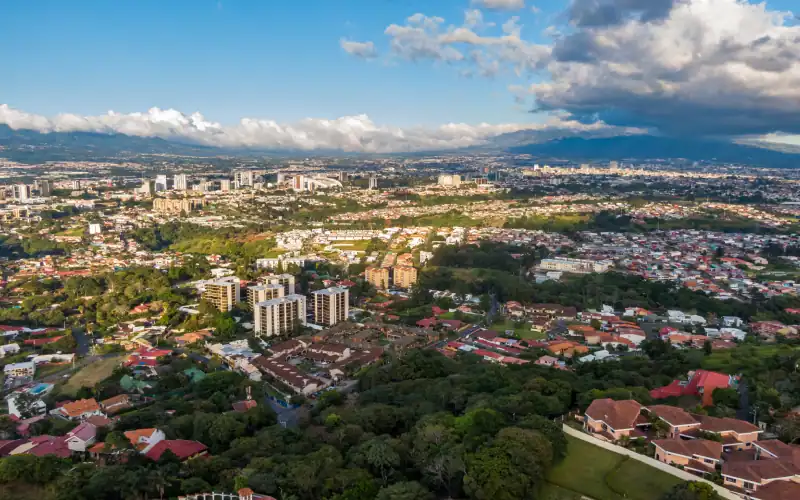
The Central Valley: Convenience, Culture, and Top-Tier Services
The Central Valley including San José, Escazú, Santa Ana, and Heredia is ideal for retirees who prioritize immediate access to modern infrastructure and urban conveniences.
Many retirees debate between the stability of city living and the appeal of coastal destinations. In these cases, comparing urban real estate investment in the Greater Metropolitan Area (GAM) versus vacation rental investments can clarify which market best aligns with your desired cash flow and lifestyle.
Escazú and Santa Ana: Luxury Retirement with Maximum Convenience
These areas, often referred to as San José’s “bedroom communities,” attract executives and high-net-worth retirees seeking comfort and efficiency.
- Climate: Mild subtropical climate with sunny days most of the year. Temperatures range between 18°C and 28°C (64°F–82°F), with cool, pleasant evenings.
- Amenities: Immediate access to the country’s most modern shopping centers (Multiplaza, Avenida Escazú), world-class private hospitals (CIMA, Clínica Bíblica), gourmet markets, and a wide variety of international restaurants.
- Cost of Living: High. Real estate prices and rents are the highest in the country, but centrality often reduces transportation costs.
- Medical Services: Excellent. Proximity to Costa Rica’s top private hospitals, specialized physiotherapy clinics and more is one of the main advantages of this region.
- 2026 Update: Access is no longer just general; this area stands out for its centers of excellence in cardiology and orthopedics (CIMA Hospital), as well as regenerative medicine clinics that have turned Costa Rica into a wellness hub for international retirees. If you have international insurance, most of these centers offer direct billing, simplifying your retirement experience.
Heredia and Alajuela: Balance Between City Living and Nature
Located just 20–30 minutes from downtown San José, these areas offer a quieter environment while maintaining strong infrastructure.
- Ideal for retirees seeking larger properties, proximity to an international airport (SJO is located in Alajuela), and deeper integration into a more traditional Costa Rican community.
Expert Note: Before deciding on an area, it is essential to understand the buyer protection framework. To learn more about import tax exemptions and residency procedures for retirees (pensionados), please consult our Financial and Legal Guide for Real Estate Investors in Costa Rica.
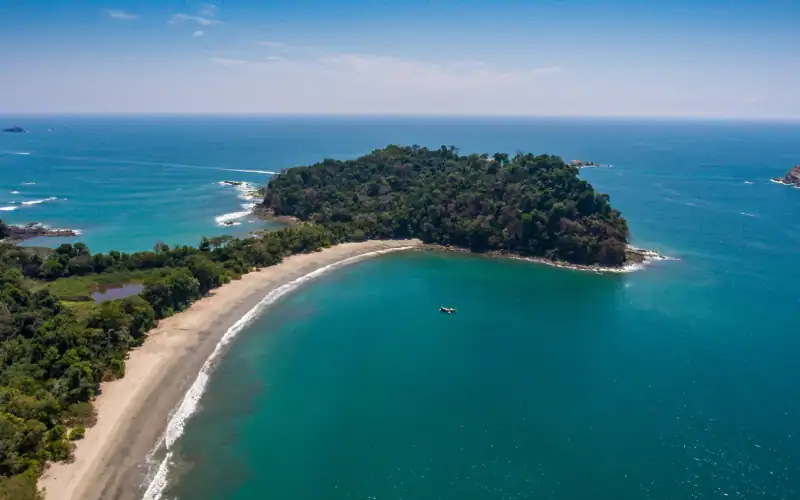
Central and Southern Pacific: Immersion in Nature
This region home to Manuel Antonio, Dominical, Uvita, and Ojochal is perfect for retirees seeking jungle surroundings, ocean views, and a vibrant expatriate community. It is ideal for a retirement focused on wellness and nature.
Retirement Profile: Sustainable Luxury and Well-Being
- Climate: Warm tropical climate with high humidity, especially during the rainy season. Temperatures remain stable year-round (25°C–32°C / 77°F–90°F).
- Amenities: Rapid growth in wellness offerings such as yoga studios, health retreats, organic restaurants, and easy access to national parks. Properties are often luxury villas with ocean views.
- Cost of Living: Medium-High to High. While ocean-view properties represent a significant investment, daily living expenses can be lower than in Escazú, particularly in areas like Dominical and Uvita.
- Medical Services: Medium. High-quality clinics are available, but access to major hospitals requires travel of 1–2 hours to the Central Valley or Pérez Zeledón.
Guanacaste: Sunshine, Beaches, and Resort-Style Living
Known as Costa Rica’s “Golden Coast,” Guanacaste is the top choice for retirees seeking dry weather, consistent sunshine, and a resort-oriented lifestyle. Areas such as Tamarindo, Playa Conchal, and the Papagayo Gulf are highly developed and internationally oriented.
Retirement Profile: Golf Communities, Dry Climate, and Air Access
- Climate: Dry tropical climate, the driest region in Costa Rica. Ideal for those who want to avoid high humidity. Temperatures frequently exceed 30°C (86°F).
- Amenities: The highest concentration of luxury resorts, master-planned communities, golf courses, sport fishing, fine dining, and English-speaking social environments.
- Cost of Living: High. Comparable to or higher than the Central Valley in popular beach towns. Imported goods and services are common.
- Medical Services: Good. Excellent access through Daniel Oduber Quirós International Airport (LIR) and growing medical infrastructure in Liberia and Nicoya.
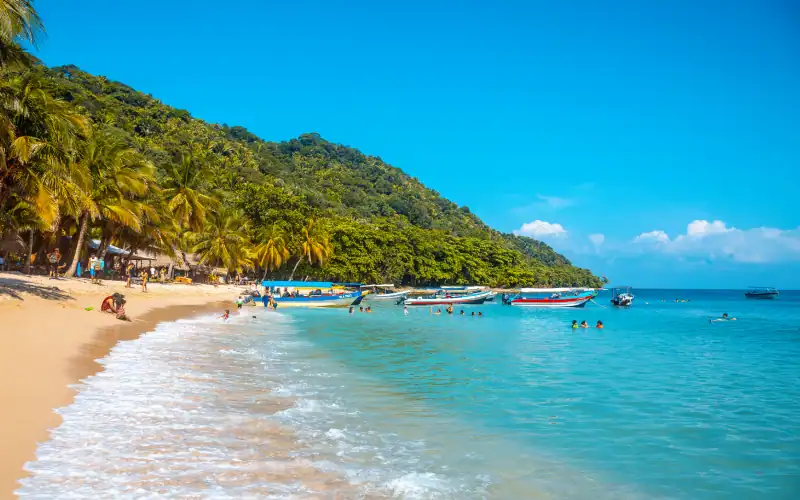
The Caribbean (Limón): A Niche for the Adventurous Retiree
Costa Rica’s Caribbean coast, especially the southern region (Puerto Viejo, Cahuita) offers a unique retirement experience for those seeking a bohemian, relaxed lifestyle with a strong Afro-Caribbean identity.
Retirement Profile: Authenticity, Slow Pace, and Cultural Richness
- Climate: Humid tropical climate with frequent rainfall and lush vegetation. Warm temperatures year-round.
- Amenities: A more rustic, alternative lifestyle focused on nature, uncrowded beaches, and small-scale local and international dining.
- Cost of Living: Medium-Low. One of the most affordable regions for daily living. Properties can be more affordable, but land ownership, especially concession property requires careful legal review.
- Medical Services: Basic. Access is limited to small clinics and community health centers. Advanced medical care requires travel to Limón or San José.
What Is Your Ideal Retirement Profile?
Choosing the perfect place to retire in Costa Rica depends entirely on your personal priorities. Below is a summary of the key characteristics of the best retirement regions:
| Retirement Area | Retiree Profile | Typical Climate | Real Estate Cost | Medical Access |
| Central Valley (Escazú/Santa Ana) | Convenience, luxury, cultural and corporate access | Mild Subtropical | High (most expensive) | Excellent |
| Central/South Pacific | Nature, wellness, ocean-view villas | Warm & Humid Tropical | Medium-High to High | Medium |
| Guanacaste (North) | Beach living, dry climate, resorts & golf | Dry Tropical | High | Good |
| Caribbean (Limón) | Authentic, bohemian, slow-paced lifestyle | Humid Tropical | Medium-Low | Basic |
Already chosen your ideal area but can’t find the perfect home? In booming development hubs like Tamarindo or the South Pacific, many retirees choose to build their sanctuary from the ground up. If you are weighing immediate gratification against a custom-made villa, analyze our Building vs Buying in Costa Rica: 2026 ROI and Cost Analysis report.
Your Future Begins with a Confident Decision
Do not leave your retirement to chance. With more than 20 offices and specialized agents, Century 21 Costa Rica is your trusted partner in finding a property that aligns with your budget and long-term lifestyle vision. Before taking the next step, we invite you to explore the essential steps to buying property in Costa Rica, ensuring a transparent, secure, and risk-free purchasing process.
Is it safe to retire in Costa Rica in 2026?
Yes. Costa Rica maintains its position as the most stable democracy in the region. In 2026, legal certainty for private property remains the pillar attracting foreign investment, backed by a transparent National Registry system.
How much money is needed monthly to live comfortably in Costa Rica?
For a retired couple, a budget of $2,500 to $4,000 USD per month allows for an upper-middle-class lifestyle, including utilities, gourmet dining, private healthcare, and property maintenance. Areas like the Caribbean coast or the Central Valley (Heredia/Alajuela) allow for optimizing this budget.
Can I use my international health insurance or Medicare?
U.S. Medicare does not provide direct coverage in Costa Rican hospitals. However, the country has local and international private insurance options (such as BlueCross BlueShield or BMI) that are widely accepted at world-class hospitals in the Central Valley and Liberia.
Which area has the best climate for respiratory health?
Many retirees prefer the North Pacific (Guanacaste) for its dry climate, which is ideal for conditions like asthma or arthritis. Conversely, those seeking fresh mountain air and cool temperatures without extreme humidity opt for the highlands of Heredia or Grecia.